Styling Your Gladstone Sofa
To make the most of this piece, consider these styling tips:
-
Contrast the Textures: If you have a fabric Gladstone, pair it with a leather ottoman or a reclaimed wood coffee table.
-
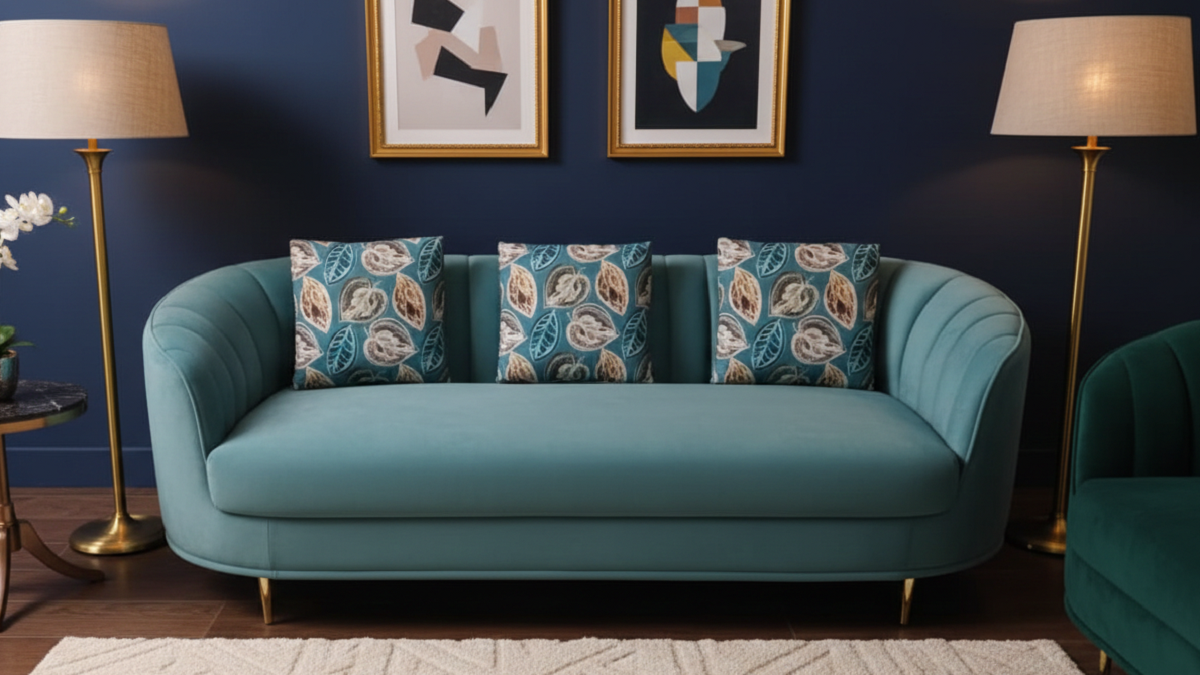
Play with Pillows: Because the back is often slightly lower than the arms, oversized lumbar pillows work beautifully to add support and a pop of color.
-
Highlight the Legs: Since Gladstone sofas usually sit on beautiful turned legs, avoid hiding them behind a rug that is too small. Ensure the front legs sit comfortably on your area rug to anchor the space.
Anatomy of a Classic
The traditional Gladstone sofa is immediately recognizable by its key features:
-
The Slope: The most defining characteristic is its angled back, which slopes downwards from the rear. This creates a dignified, upright seating position, perfect for conversation or reading.
-
The Scroll: The arms typically terminate in a graceful, inward-curling scroll, adding a touch of softness and classical refinement to the form.
-
The Buttoning: Often adorned with deep button tufting on the back and occasionally on the seat, this detail provides textural interest and ensures the upholstery remains taut and tailored.
-
The Stance: It sits on exposed wooden feet, usually turned or bun-shaped, grounding its substantial form with a sense of craftsmanship.
Unlike the overstuffed, sink-into-me chesterfields that would follow, the Gladstone represents an earlier Victorian ideal: comfort with composure.
Why the Gladstone Endures
Over a century after its namesake’s death, the Gladstone sofa remains a sought-after piece, and for good reason:
-
Architectural Presence: Its strong lines and distinctive silhouette give it an architectural quality. It anchors a room without overwhelming it, functioning beautifully as a focal point in a study, library, or formal living room.
-
Versatile Elegance: While inherently traditional, its clean lines make it adaptable. In a rich velvet or damask, it is pure Victorian grandeur. Reimagined in a neutral linen or even a contemporary geometric print, it becomes a sophisticated, eclectic statement.
-
Conversational Seating: The sloped back and firm arms naturally encourage an engaged, upright posture, making it ideal for spaces designed for talking and connection.
-
A Narrative Piece: Owning a Gladstone is to own a story—a tangible link to a bygone era of statesmanship, literary salons, and crafted domesticity.
The Gladstone in the Modern Home
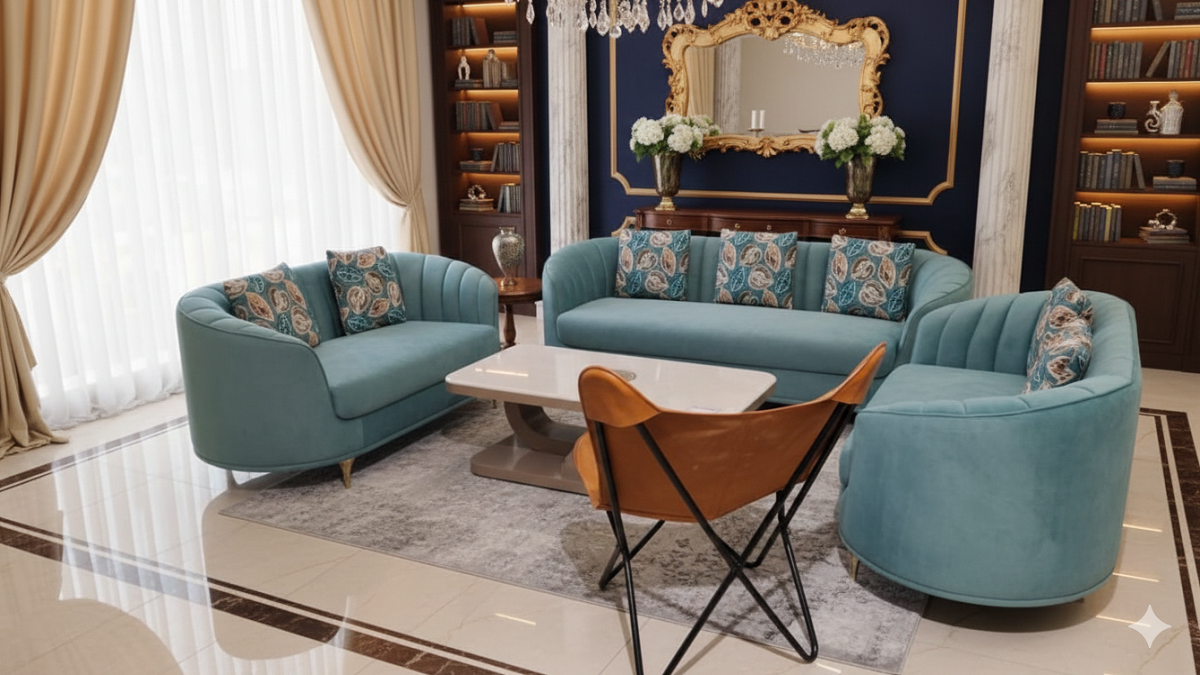
Today’s interior designers often use the Gladstone as a counterpoint to modern minimalism. Its historical character adds depth and warmth to sleek environments. Imagine a charcoal grey Gladstone in a room with clean-lined bookshelves, a modern art piece above it, and a vibrant, textured rug at its feet—the contrast is dynamic and deeply stylish.
It also works seamlessly within a “granny chic” or academic aesthetic, surrounded by piled books, a worn leather armchair, and the soft glow of a brass lamp.
Choosing Your Gladstone
If you’re drawn to this iconic design, consider:
-
Scale: Traditional Gladstones are long and low. Ensure it fits your space proportionally.
-
Upholstery: The fabric will dictate its personality. For authenticity, consider wools, velvets, or horsehair. For a fresher take, look to performance linens or bold patterns.
-
Condition & Craftsmanship: Whether seeking a true antique or a quality reproduction, examine the frame (hardwood is best), the joinery, and the resilience of the cushioning.
The Gladstone sofa is more than just a place to sit. It is a piece of furniture with intellectual heft and sartorial grace. It refuses to be merely casual, asking instead for a certain engagement from those who use it. In a world of fleeting trends, the Gladstone stands firm—a testament to the idea that true design elegance is born from purpose, character, and a story worth telling. It is, in essence, the thoughtful statesman of sofas: dignified, reliable, and forever in style.